
FEATURES
Home :: Features
Circular Debt Trap
By Syed Asif Salahuddin The rationale behind this surge in the power sector subsidies is multifaceted. It stems from the…
The Palestine-Israel Conflict…
By Syed Asif Salahuddin Although religion is often used to fuel tensions, the Palestine-Israel conflict is not fundamentally a religious…
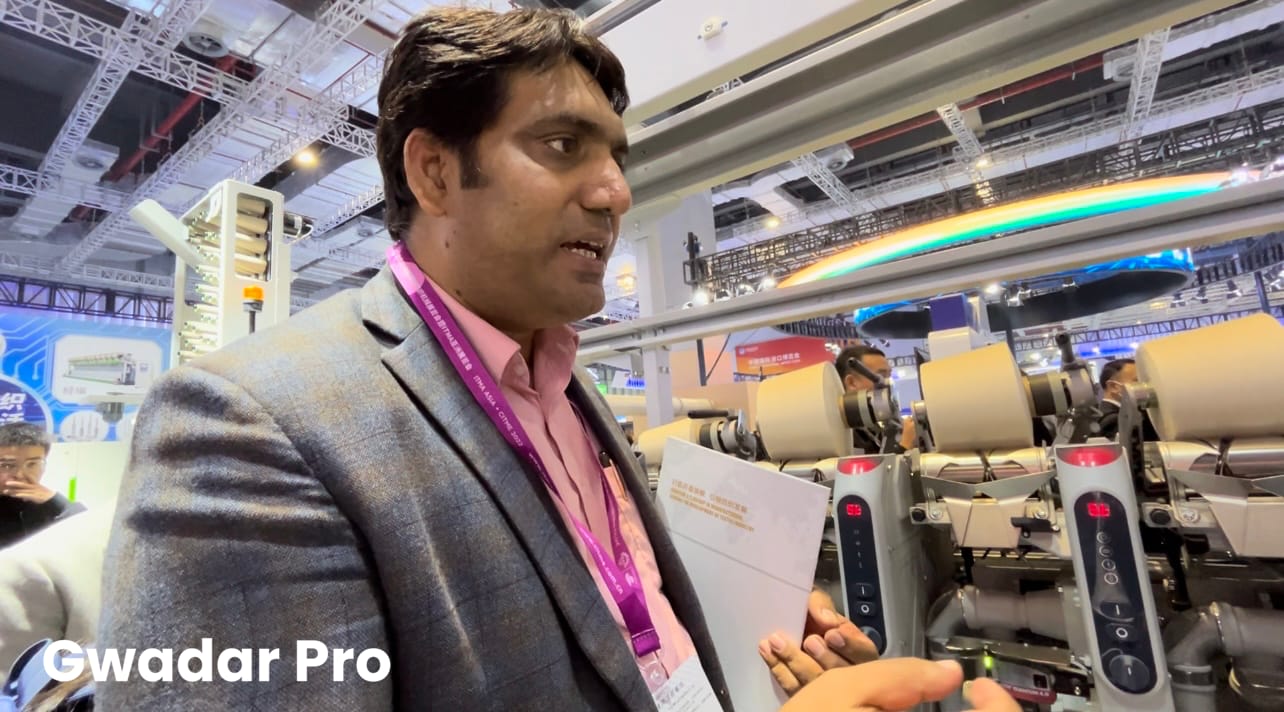
Pakistani businessman explores…
“Recognizing the importance of the textile industry for Pakistan’s economy, the country has been actively seeking opportunities to upgrade its…

3-Cultivating business-friendly environment…
ISLAMABAD, Nov. 18 (INP) – Though Pakistan has been making efforts to attract foreign direct investment (FDI), these endeavours have…
2-Cultivating business-friendly environment…
ISLAMABAD, Nov. 18 (INP) – Though Pakistan has been making efforts to attract foreign direct investment (FDI), these endeavours have…
IPRC HAS SUCCESSFULLY COMPLETED MANY REMARKABLE PROJECTS
IN DIFFERENT THEMATIC AREAS
A FEW HIGHLIGHTS ARE AS FOLLOWS
NON-FORMAL EDUCATION
In 1994, IPRC recognized the growing issue of illiteracy in its target areas, following comprehensive surveys conducted by the field team in Daudnagar, Salik Town, Khushall Town, Ibn-e-Mariam, and Malkhawala. Through interactions with the local community, it became clear that poverty was forcing children to work during the day, making it difficult for them to attend traditional morning school sessions
IPRC engaged in lengthy discussions with the community to find a solution that would address this obstacle to education. The result was the establishment of Non-formal Education Centers, where evening classes were offered free of charge. These centers aimed to provide basic education to children who had no prior schooling experience. AIM developed special resource materials and designed a curriculum specifically tailored to their needs. These non-formal education classes have played a vital role in the development of rural communities in Pakistan. The children, ranging from 8 to 13 years old, lacked even the most basic education. AIM’s special resource books have proven to be effective tools in helping these children team and catch up to their pee
The non-formal education classes are conducted in the evenings, ensuring that children can continue working and contributing to their families during the day. IPRC follows a structured syllabus, spanning from stage one to stage five, and periodically organizes various activities such as sports, research, social work and innovative skills development. To maintain the quality of teaching, IPRC conducts monthly motivational and vocational training sessions and performs weekly evaluations to monitor the progress of the project. Additionally, annual exams assess the children’s intellectual growth, and seasonal recreational and educational trips are arranged to provide them with valuable experiences
YOUTH SKILLS TRAINING
IPRC has completed several youth skill training projects, focusing on empowering young individuals with practical skills and knowledge. These projects indude computer hardware training for boys, car driving training, computer literacy for girls, AYG social forestry project, a gym project for girls, low-cost computer courses for boys, and rural youth development projects. While some of these projects have been completed, the gym for women and the driving training center are currently running due to their high demand within the local community.
These skill training programs hold great importance as they equip young individuals with the necessary tools to thrive in today’s ever-changing world. By offering computer hardware training, computer literacy, and low-cost computer courses, AIM ensures that young boys and girls are prepared for the digital age and have the opportunity to pursue careers in the technology sector. The car driving training project not only provides valuable skills but also opens doors to employment opportunities in the transportation industry.
The AYG social forestry project promotes environmental awareness and engages young individuals in sustainable practices, instilling a sense of responsibility towards nature. The gym project for girls not only focuses on physical fitness but also empowers them to take control of their health and well-being.
AGRICULTURE AND ENVIRONMENT
IPRC organization has completed several impactful projects in the fields of agriculture and the environment. These projects include the goat scheme for poor families in 15 villages of the Okara district, tree plantation projects, veterinary training programs, farmer’s awareness and training projects, fertilizer programs for farmers, youth, kitchen gardening awareness projects, farmer’s seed cooperation schemes in Sahiwal region, community-based sanitation
projects in Salik Town, low-cost sanitation for poor families, and tree plantation programs for small farmers. by Anthony Matthew, a student of horticulture, who had a deep passion for nature, plants, and the environment. Through these initiatives, the IPRC organization has been able to benefit thousands of people.
These projects were spearheaded scheme for poor families provided a source of livelihood and income generation for underprivileged communities in the Okara district. The tree plantation aimed to promote environmental sustainability and create a greener ecosystem. The veterinary training programs equipped individuals with essential knowledge and skills to address animal health issues in rural areas. The farmer’s awareness and training projects focused on disseminating best practices and modern techniques to improve agricultural productivity. The fertilizer programs for farmers aimed to enhance soil fertility and crop yields. The agroforestry programs engaged rural youth in sustainable farming practices
RELIEF WORK
The IPRC team showed great concern and took immediate action in response to natural disasters, providing relief and support to affected communities
In the devastating floods of 2022, the AIM team set up medical camps in the affected areas, providing essential medical care to those in need. They also distributed food, clothing, and other essentials to support the affected families during these difficult times. The IPRC team stayed on the ground, dedicating their time and efforts to ensure the relief work was carried out effectively.
Similady, in November 2006, when an earthquake struck Balakot, the IPRC team swiftly responded by providing relief aid to the earthquake victims. They offered emergency assistance, including medical aid, food, and other essential supplies to help alleviate the suffering faced by the affected communities.
Additionally, the IPRC team conducted an emergency relief project for communities affected by floods in Punjab. They provided crucial support, induding food, dothing, and other essentials, to help rebuild the lives of the flood-affected individuals and assist them in recovering from the devastating impact of the floods.
Through their dedicated efforts and sincere commitment, the IPRC team made a significant impact on the lives of those affected by natural disasters. Their presence